Every corner of Gwinnett County behaves a little differently, and the homes that win offers or sell quickly have more in common than price alone. This micro market playbook focuses on the practical, evergreen steps buyers and sellers can use to make better decisions in Suwanee, Lawrenceville, Buford, Snellville, Sugar Hill, Dacula and the surrounding neighborhoods. It is written to help people find or sell a home in Gwinnett County today and to remain useful as local trends evolve.
Start with the neighborhood level not the county level. Broad market headlines are useful, but buyers and sellers win by understanding school zones, HOA rules, typical lot sizes, average build years, and commute patterns for the exact subdivision they are considering. Look up recent sold prices in a three-month window for comparable homes, then expand to a 12-month window to see seasonal shifts and how quickly inventory is moving in that micro market.
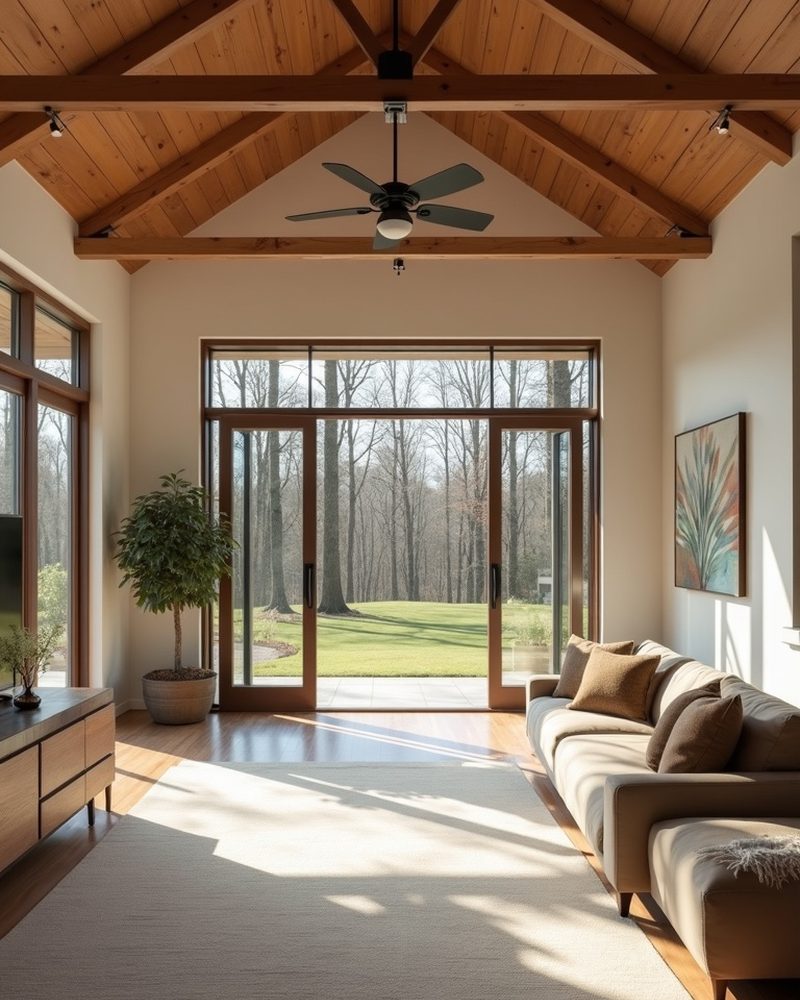
Know which features matter locally. In Gwinnett County, buyers consistently prioritize functional primary suites, updated kitchens, outdoor living, and flexible rooms for home offices or homeschooling. For sellers, small targeted upgrades often deliver the highest return: a fresh coat of neutral paint, updated lighting, simple kitchen hardware swaps, and professional landscaping to boost curb appeal before listing. These changes can shorten days on market and protect list price in competitive neighborhoods.
Factor in commute and connectivity. Proximity to I-85, I-285, Highway 316 and transit options shapes demand for many Gwinnett neighborhoods. If your buyer profile includes Atlanta commuters, prioritize properties with easier highway access or that are closer to park-and-ride options. If work-from-home is a priority, emphasize quiet streets, reliable internet providers, and rooms that can serve as offices.
Understand new construction versus resale realities. New builds in Gwinnett are attractive for warranties and modern floor plans, but resale homes often sit on larger lots and have mature landscaping. When choosing between the two, buyers should compare total cost of ownership, including HOA fees, property taxes, and future maintenance, not just the sticker price. Sellers in resale homes can use comparables that highlight lot size and mature-tree value to justify price points against new construction comps.
Watch rental demand and investment signals. Parts of Gwinnett County show growing rental interest, especially near universities, employment corridors, and transit improvements. Investors should analyze expected rent, vacancy rates, and property management costs at the neighborhood level. Owners thinking about converting to a rental should confirm local rental regulations and HOAs that may affect leasing.
Price strategically with a local market lens. Listing too high in a cooling micro market can force price reductions that reduce perceived value. Pricing slightly below competition in an active micro market can generate interest and multiple offers. Buyers should make offers that reflect current market velocity; in slower pockets an inspection contingency is reasonable, while in hot segments shorter contingency windows can make offers more competitive.
Leverage inspections and small repairs to protect value. For buyers, a prioritized repair list after inspection clarifies must-fix items versus negotiable cosmetic concerns. Sellers should pre-inspect if possible to identify and address issues that can stall a deal. Items that typically matter most in Gwinnett include roof age, HVAC condition, foundation/ drainage issues, and any deferred exterior maintenance that affects curb appeal.
Use local marketing to sell faster and for more money. Sellers benefit when listings feature high-quality photos at golden hour, floor plans, neighborhood amenity highlights, and clear school zone information. For buyers, working with an agent who knows how to assemble regional comparables, advise on escalation strategies, and position offers quickly in competitive neighborhoods is critical.
Plan for timing and seasonality. Spring often brings more inventory and more buyers to Gwinnett County, while fall listings can attract serious buyers with less competition. However, life events drive moves year-round; prioritize personal timing and financial preparedness. Both buyers and sellers should have a clear plan for contingency timing, moving logistics, and temporary housing if needed.
Make decisions with a local partner. If you are buying or selling in Gwinnett County and want a tailored plan for your neighborhood, reach out to The Rains Team. Call 404-620-4571 to discuss neighborhood-specific comps, market timing, or a custom home search. You can also learn more and start your search at
www.newhomesgwinnettcounty.com. Working with a team that knows the micro markets inside Gwinnett County can turn local details into real advantage.
Whether you are a first-time buyer, upgrading, downsizing, or selling an investment property, treating Gwinnett County as a collection of micro markets helps you make smarter offers, set better listing strategies, and protect long term value. Keep the focus local, prepare with the right inspections and pricing data, and get help from an agent who understands the nuances of your neighborhood.
