The Gwinnett County real estate market moves on local decisions, school lines, new construction, and lifestyle shifts. Whether you are shopping for homes for sale in Gwinnett County or preparing to sell, this checklist will help you focus on things that matter now and will still matter years from now. Use these practical items to evaluate properties in Lawrenceville, Suwanee, Buford, Dacula, Sugar Hill, Snellville and nearby communities so your next move works for today and the long term.
Start with the proven basics most searchers look for: commute times, school quality, neighborhood amenities, and long term maintenance costs. But go deeper with these ten items that separate a short term decision from a future proof one. Each point includes what buyers should request and what sellers should highlight.
1) Transportation and local projects that change value
Research current commute patterns and planned projects on the Gwinnett County transportation schedule. Proximity to I?85, GA 316 improvements, Marta expansion plans, and major employer corridors affects resale demand. Buyers should map drive times for routine routes. Sellers should include recent commute surveys or links to planned improvements in their listing notes.
2) School zones and enrollment trends
School boundaries shift and enrollment impacts neighborhood desirability. Check Gwinnett County Public Schools boundary pages, recent test scores, and any approved rezoning. For buyers, verify boundary status at contract time. For sellers, highlight nearby schools with stable or improving performance and provide parents with easy-to-share resources.
3) Zoning, future development and lot use
Learn the current zoning designation and any pending rezoning or commercial infill proposals for the area. New apartments or retail within a short walk can boost convenience but change traffic and character. Buyers should visit evening and weekend peak times. Sellers should disclose approved developments and emphasize positive nearby investments.
4) Home layout and adaptable space
Life stages require flexibility. Homes with a primary suite on the main level, a dedicated work area, or easily convertible bonus spaces perform better over time. Buyers should prioritize layouts that adapt to aging in place, multigenerational living, or home office needs. Sellers can stage a flex room and show multiple uses to broaden appeal.
5) Systems age, warranties and energy efficiency
HVAC, roof, windows, and electrical systems are major value drivers. Ask for inspection reports, service records, and any transferable warranties on new construction. Energy upgrades deliver ongoing savings buyers will notice and sellers can market: programmable thermostats, insulation, and recent appliance replacements.
6) Outdoor living and lot resilience
Outdoor space matters in Gwinnett Year after year. Look for grading, drainage, usable yard, and stormwater considerations. Sellers should fix visible drainage issues and present a maintenance plan for landscaping that preserves curb appeal. Buyers should check tree health, fencing, and HOA restrictions on exterior changes.
7) HOA rules and long term fees
HOA restrictions determine what you can add and how the community looks over time. Review CCRs, fee history, and reserve studies. Buyers should calculate the monthly fee into their long term budget. Sellers should provide clear HOA contact info, rules summaries, and recent meeting minutes if available.
8) Resale friendly finishes and easy upgrade paths
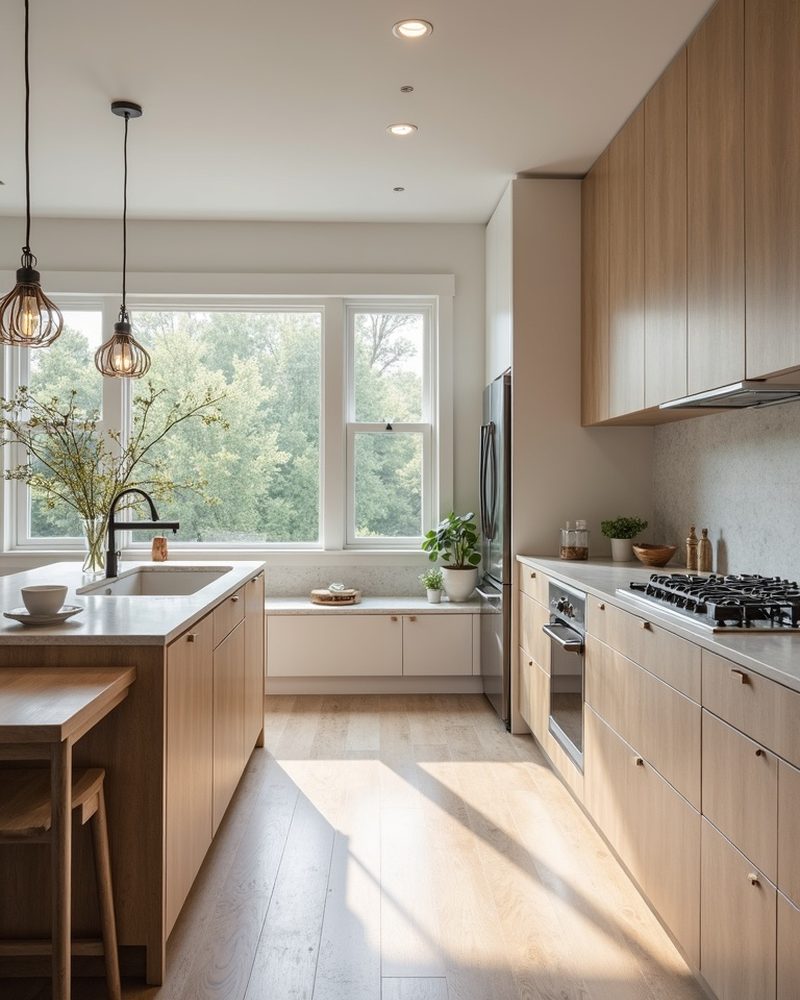
Neutral paint, durable flooring, and kitchens with simple upgrade potential make homes attractive to a broad pool. Buyers can prioritize structural soundness over trendy finishes if the layout is strong. Sellers should invest in cost-effective improvements that buyers value most in Gwinnett County: fresh paint, updated lighting, and well-presented primary baths and kitchens.
9) New construction considerations versus resale realities
New homes come with builder warranties and modern layouts but may have higher HOA rules or unfinished landscaping. Resales offer established yards and mature neighborhoods. Buyers comparing both should weigh builder incentives, lot premiums, and immediate out-of-pocket costs for landscaping and window treatments. Sellers in resale should showcase the mature advantages: larger lots, community amenities already in place, and completed roads.
10) Timing the market and personal readiness
Local inventory cycles, interest rates, and seasonality influence how quickly a home sells and what buyers pay. Track months of inventory in your target towns and be realistic about your contingency needs. Buyers should align financing and inspection windows to local seller expectations. Sellers should plan listing windows and small pre-market repairs to maximize early-showing interest.
Quick action items buyers can use today
- Pull recent sold data for the specific neighborhood, not just the zip code.
- Ask sellers for utility cost averages and recent maintenance
